
AI in education: how to create educational content with transcription and smart repurposing
What is AI and why it’s changing educational content creation
Artificial Intelligence (AI) is no longer just a trend—it’s infrastructure. It already influences how we plan classes, produce materials, assess assignments, and organize knowledge.
For educators—teachers, course creators, mentors, and corporate training teams—the impact is even bigger because most educational content starts as spoken words:
- Live classes
- Recorded video lessons
- Pedagogical meetings
- Mentoring sessions and office hours
- Workshops and trainings
When that content stays trapped in video format, you lose two things:
- Accessibility (learners who rely on text, captions, and review)
- Repurposing (turning one class into a handout, quiz, summary, script, posts)
That’s where AI transcription becomes a turning point.
The practical benefits of AI in education
AI can improve education in many ways, but the most visible benefits for content creators are:
Personalization without rebuilding everything
With a text foundation, you can adapt the same lesson to different levels:
- Quick version (summary)
- Full version (handout)
- Practice version (exercises + answer key)
- Review version (flashcards)
Inclusion and accessibility
Text and captions aren’t “extras”. For many learners, they are what makes learning possible:
- Captions for deaf and hard-of-hearing learners
- Text materials for assisted reading
- Searchable notes for review
Engagement
When content becomes interactive, learners retain more:
- Step-by-step activities
- Checklists
- Quizzes
- Guided study
Automation of repetitive work
Educators’ time is valuable. Automated transcription and organization frees time to:
- Prepare better examples
- Improve teaching
- Support students
- Refine the course
10 real ways to use AI in education (with a content focus)
Here are direct, practical uses—some classic and others that become “content multipliers” once you use transcription:
- Automated grading support (when appropriate)
- Lesson planning assistance (structure, topics, objectives)
- Educational content creation and organization (handouts, scripts, slides)
- Fast summaries and revision materials
- Exercise lists by difficulty level
- Class and lecture transcription
- Captions for video lessons
- Turn recurring questions into a course FAQ
- Convert lessons into blog posts and social content to attract students
- Build a searchable library of trainings
Where Sintesy fits: transcription as the foundation of a content system
Sintesy solves a critical part of the workflow: turning video and audio into editable, structured text.
In education, that matters because the goal is rarely “just transcribe”. The goal is to:
- Start from a reliable text base
- Organize content by topics
- Reduce the time spent producing supplementary materials
- Repurpose into multiple formats
A simple workflow to create educational content with AI
Step 1: Record the class (as you already do)
It can be a video lesson, a recorded live class, a mentoring session, or internal training.
Tip: clean audio improves everything. A basic microphone and a low-echo room go a long way.
Step 2: Transcribe with Sintesy
Upload your video/audio to Sintesy and generate a transcript.
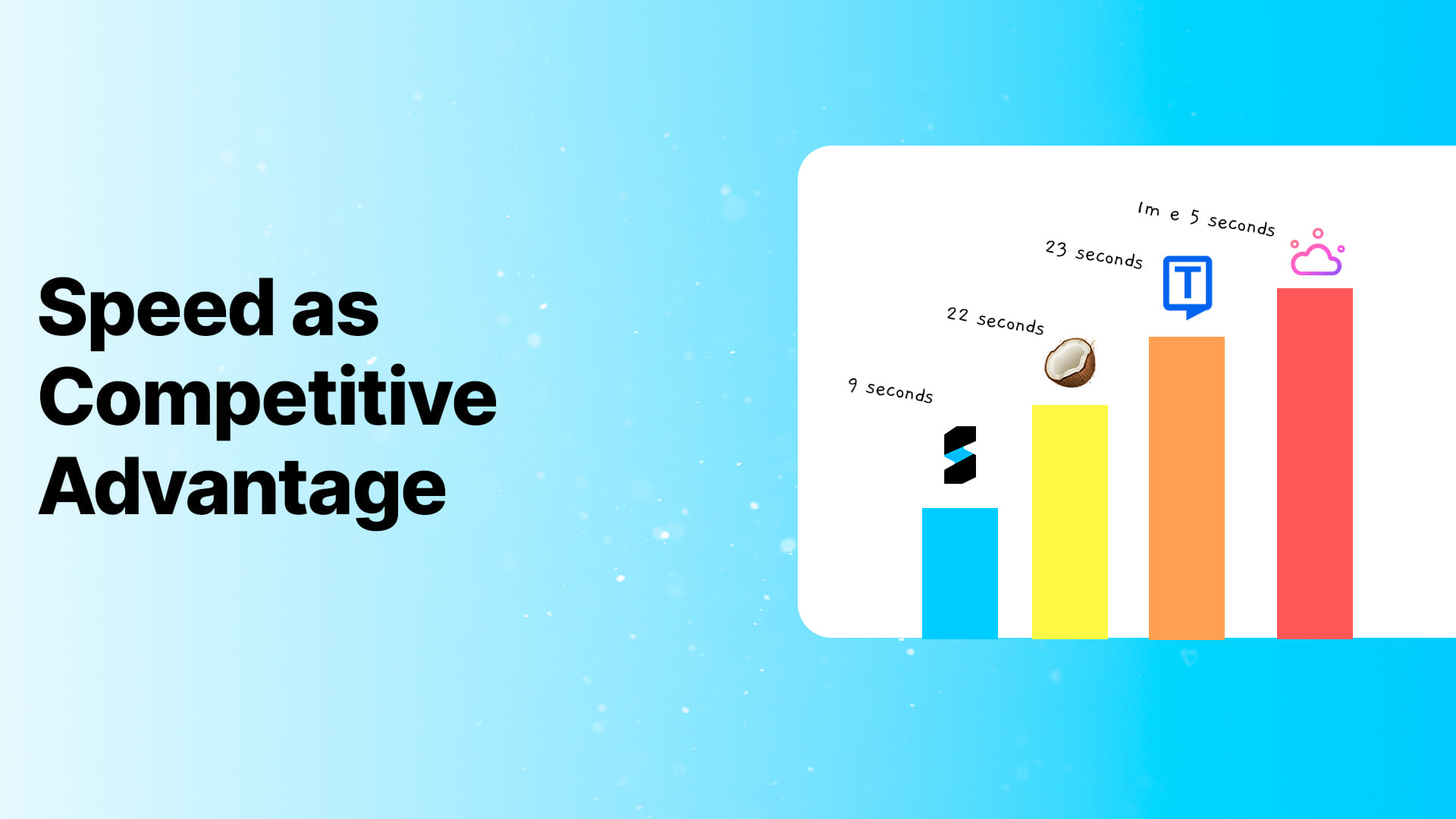
The key win is speed: instead of hours typing, you start with a draft you can revise.
Step 3: Turn the transcript into materials
Once you have the text, you can quickly produce:
- Handouts (formatted by sections)
- Summaries (key points + what to focus on)
- Review guides (step-by-step)
Step 4: Repurpose to grow (educational marketing)
The same class can become:
- 1 blog article
- 5 short posts (LinkedIn/Instagram)
- 1 newsletter
- 10 ready-to-use answers for FAQs
This reduces acquisition cost because you publish consistently without reinventing the wheel.
What to avoid when using AI in education
Mistake 1: using AI as a shortcut and skipping review
AI accelerates the process, but pedagogical review is essential. Adjust terms, examples, and clarity.
Mistake 2: trying to automate before you have a process
Start simple:
- 1 class
- 1 transcript
- 2 derived materials
Then turn it into a routine.
Mistake 3: ignoring privacy and consent
If you record classes/meetings with people, get permission and handle data responsibly.
The future: why transcription will become a standard
The trend is clear: education will increasingly combine video with structured, searchable content.
If you build a system today—class -> transcript -> materials -> distribution—you gain scale without losing quality.
Conclusion
AI in education isn’t about replacing teachers. It’s about giving educators the tools to produce more, with higher quality and accessibility.
AI transcription is one of the pillars of that workflow because it turns spoken content into an editable foundation—and then your content can work for you.